Welcome to Tangshan Moneide Trading Co., Ltd.





Recommend Products


popdh
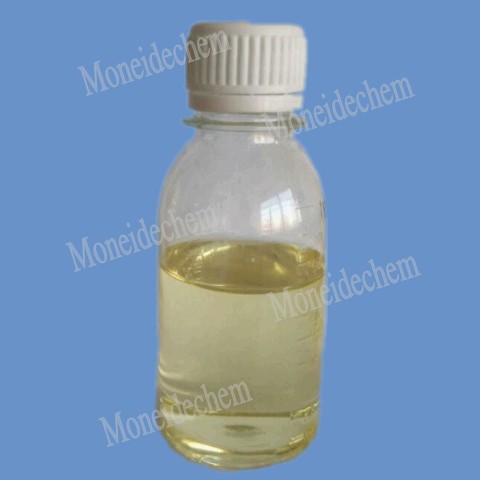
Source: Product Page Introduction Hypophosphorous acid (H 3 PO 2 ) is a unique inorganic compound with significant industrial applications. Known for its strong reducing properties, this colorless, transparent liquid plays a critical role in chemical synthesis, electroplating, and material treatment. This article provides an in-depth analysis of its technical specifications, key features, applications, and the company behind its production, Tangshan Moneide Trading Co., Ltd. . Product Overview Hypophosphorous acid is a vital chemical with the CAS number 6303-21-5 . Its molecular formula, H 3 PO 2 , and molecular weight of 63.98 g/mol make it a versatile compound in various industries. The product is available in concentrations of 50.0% min. and is characterized by its high purity and minimal impurities, such as phosphorous acid (0.5% max.), sodium (0.5% max.), and iron (10 ppm max.). Key Features and Benefits Powerful Reducing Agent: Hypophosphorous acid is renowned for its ability to act as a strong reducing agent, facilitating controlled chemical reactions in industrial processes. Electroplating Applications: It is extensively used in nickel electroplating to enhance the adhesion, smoothness, and durability of metal coatings. Chemical Synthesis: Acts as an intermediate in producing phosphine, phosphorus derivatives, and other phosphorus-based chemicals. Non-Toxicity: Compared to other reducing agents, it is considered safer for industrial use due to its lower toxicity profile. Technical Specifications Parameter Details Chemical Name Hypophosphorous Acid Another Name Hypophosphoric acid CAS Number 6303-21-5 Molecular Formula H 3 PO 2 Molecular Weight 63.980501 g/mol Appearance Colorless transparent liquid Purity 50.0% min. (Hypophosphorous Acid) Impurities Phosphorous acid (0.5% max.), Sodium (0.5% max.), Iron (10 ppm max.), Chloride (150 ppm max.), Sulfate (100 ppm max.) Industrial Applications Hypophosphorous acid is a multifunctional compound with diverse applications across industries. Key uses include: Electroless Plating: Acts as a reducing agent in nickel electroplating, ensuring uniform and durable metal coatings. Learn more about its role in electroplating . Chemical Manufacturing: Used in the synthesis of phosphine and other phosphorus derivatives, critical for pharmaceutical and agricultural sectors. Polymerization Initiator: Facilitates the production of resins and plastics by initiating polymerization reactions. Water Treatment: Applied to reduce undesirable substances in water treatment processes. Medical and Analytical Uses: Employed in the determination of arsenic, tellurium, and the separation of tantalum and niobium. Company Background: Tangshan Moneide Trading Co., Ltd. Tangshan Moneide Trading Co., Ltd. is a leading supplier of specialty chemicals, including hypophosphorous acid. With a focus on quality and innovation, the company provides high-purity products tailored to industrial needs. Their commitment to customer satisfaction and technical excellence ensures reliable solutions for global markets. Storage and Handling Hypophosphorous acid should be stored in a cool, dry place, away from heat and direct sunlight. It is typically packaged in drums or bulk container111s to maintain stability and prevent contamination. Proper handling procedures are essential to preserve its effectiveness and ensure safe usage. Conclusion Hypophosphorous acid (CAS 6303-21-5) is a critical chemical with wide-ranging applications in industrial and scientific fields. Its unique properties as a reducing agent, combined with its safety profile, make it an indispensable component in electroplating, chemical synthesis, and material treatment. Tangshan Moneide Trading Co., Ltd. continues to lead in providing high-quality hypophosphorous acid solutions, supporting advancements in technology and manufacturing. References 1. National Institute of Standards and Technology (NIST). https://www.nist.gov (Accessed: [Insert Date]). 2. Chemical Safety Data Sheets (CSDS) for Hypophosphorous Acid. https://www.chem.nlm.nih.gov/chemidplus/rn/6303-21-5 .




look at newproducts


